RDS on the Move: Advocacy Driving Your Last-Mile Growth
NYC Delivery Insurance Reform: As costs surge and fraud and liability pressures intensify, the last-mile delivery sector and small businesses are feeling the strain.
From Albany policymaking to the realities on NYC streets, industry leaders, advocates, and public officials are pushing for meaningful insurance and tort reform.
Recent discussions and on-the-ground insights highlight not only the urgency of change but also how businesses can turn these challenges into smarter operations and stronger support for their teams and clients.
From Albany to NYC Streets: Where Policy Meets the Last Mile
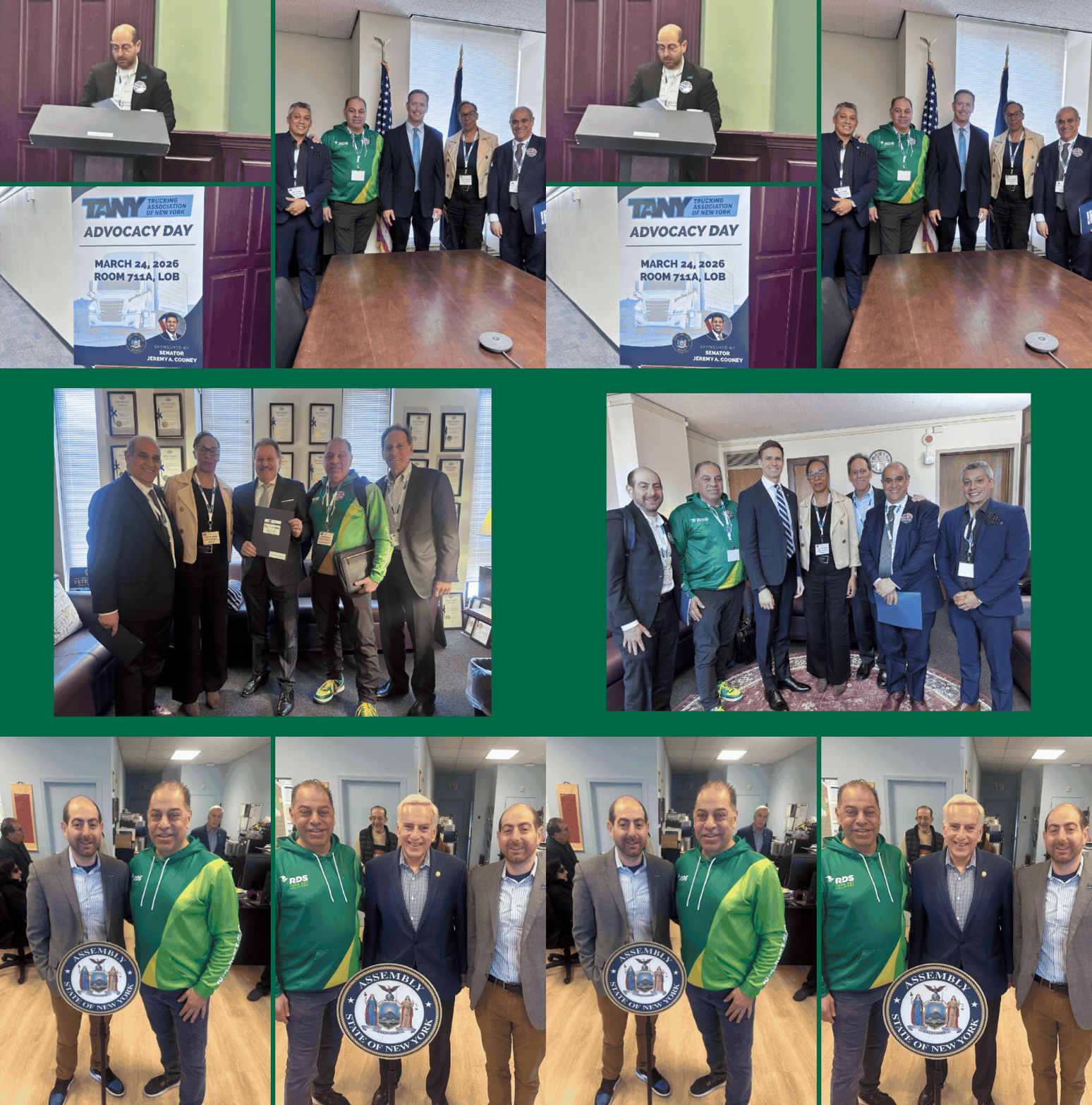
Industry Advocacy: Insurance & Tort Reform for NYC Delivery and Small Business
As these discussions continue, the impact is already being felt across New York.
Insurance costs, regulatory changes, and evolving policies are influencing how businesses price services, plan capacity, and manage day-to-day operations.
This includes rising premiums driven by legal trends, new wage and compliance requirements, emissions regulations tied to infrastructure readiness, and additional administrative burdens such as HUT and reporting mandates.
At the same time, businesses are navigating broader challenges, from increasing delivery and warehouse complexity across NYC to new legislation like the Delivery Protection Act and industry-wide responsibilities such as safety, training, and human trafficking awareness.
Understanding these shifts early allows teams to stay ahead, adjusting strategies, protecting margins, and maintaining reliability in an increasingly complex environment.
A Closer Look at the Growing Impact of Insurance Costs, Fraud, and Liability Pressures
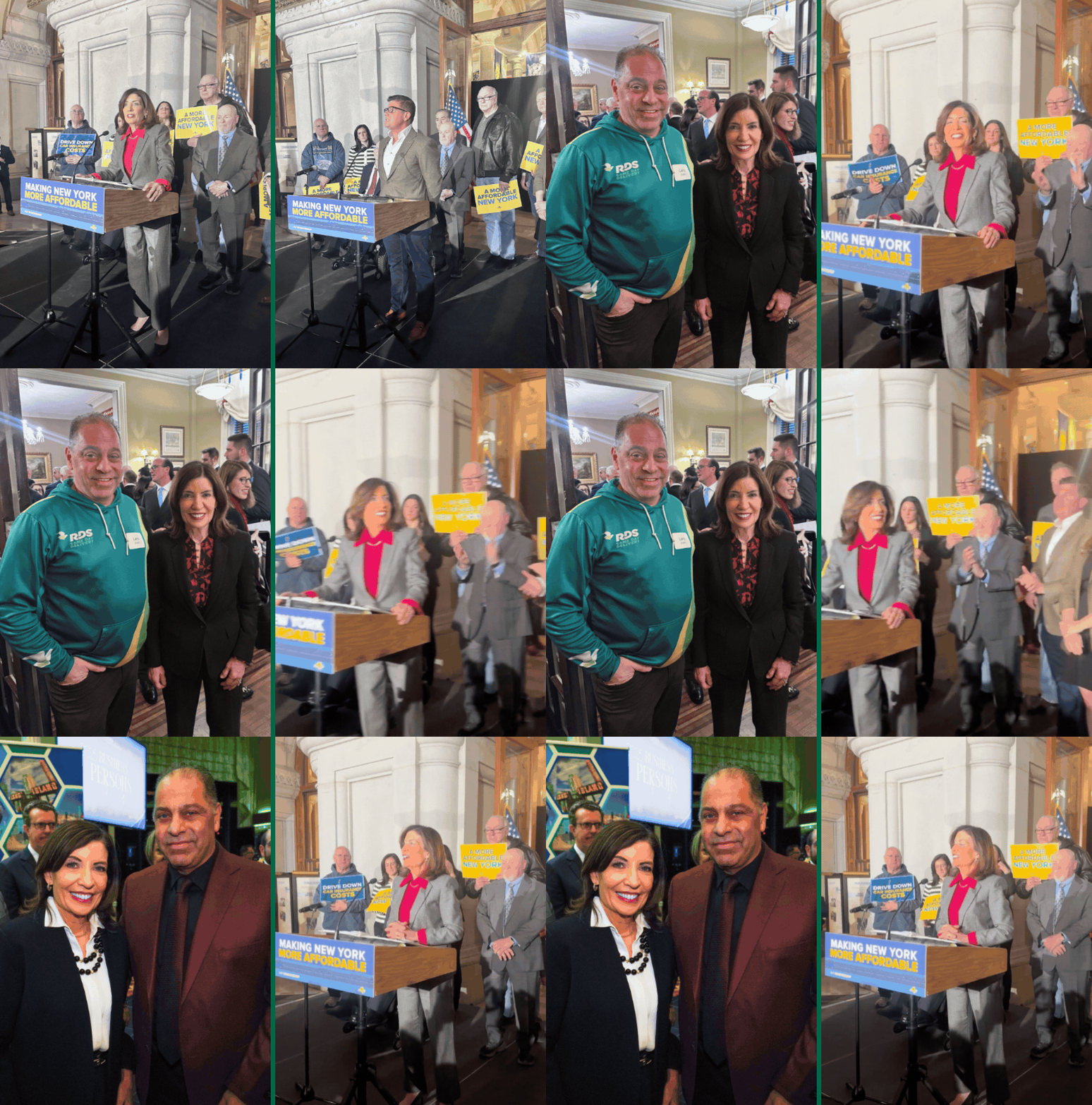
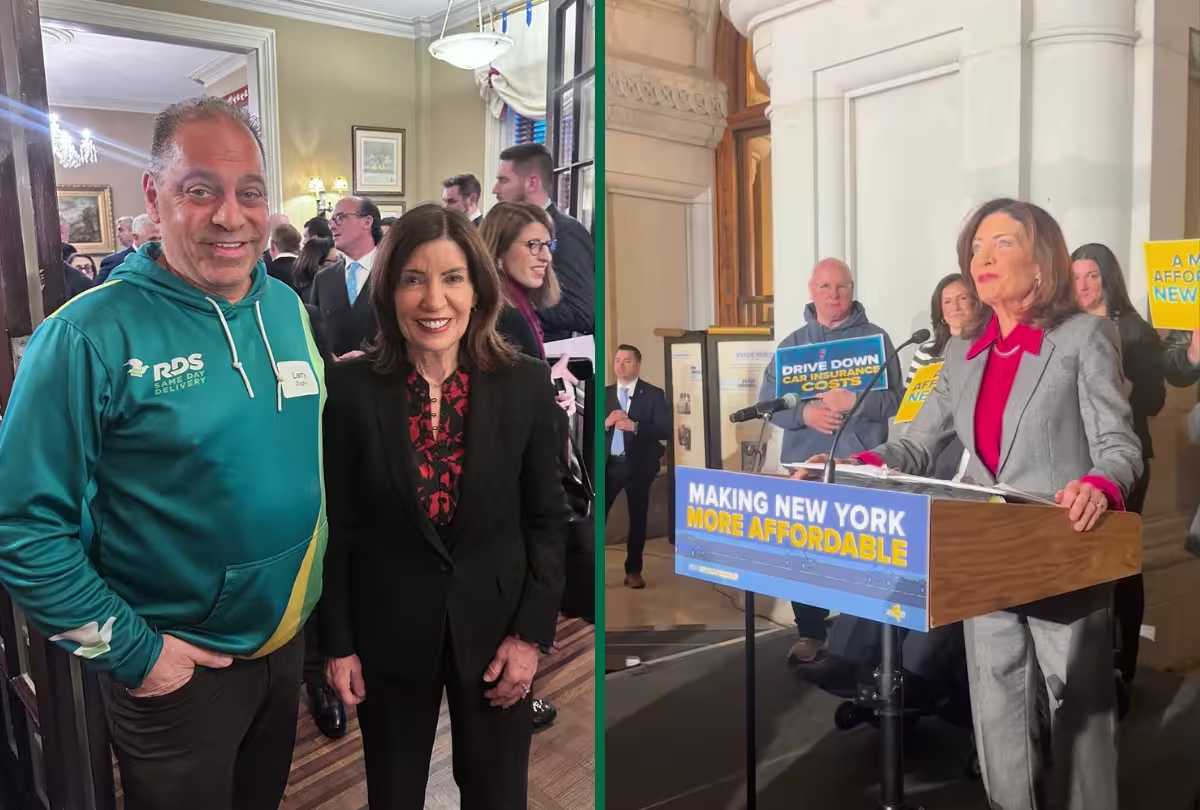
Insights from a Recent Press Rally with Governor Hochul, Business Leaders, and Policymakers
At the press rally, conversations focused on what’s driving these rising costs and what it means for businesses moving forward.
From double-digit premium increases, often disconnected from individual safety performance, to rising litigation and nuclear verdicts.
Leaders highlighted how these trends are reshaping the cost of doing business. Fraud and liability pressures continue to add complexity across the board.
The impact is already being felt beyond insurance itself, influencing pricing, hiring, and long-term growth. While also driving higher costs across delivery, transportation, and everyday goods and services.
For businesses on the ground, the takeaway is clear: this is no longer a background issue. It’s something that requires attention, awareness, and a more proactive approach to managing risk.
From Leadership to the Front Lines, It’s How We Support Our Team and Our Clients
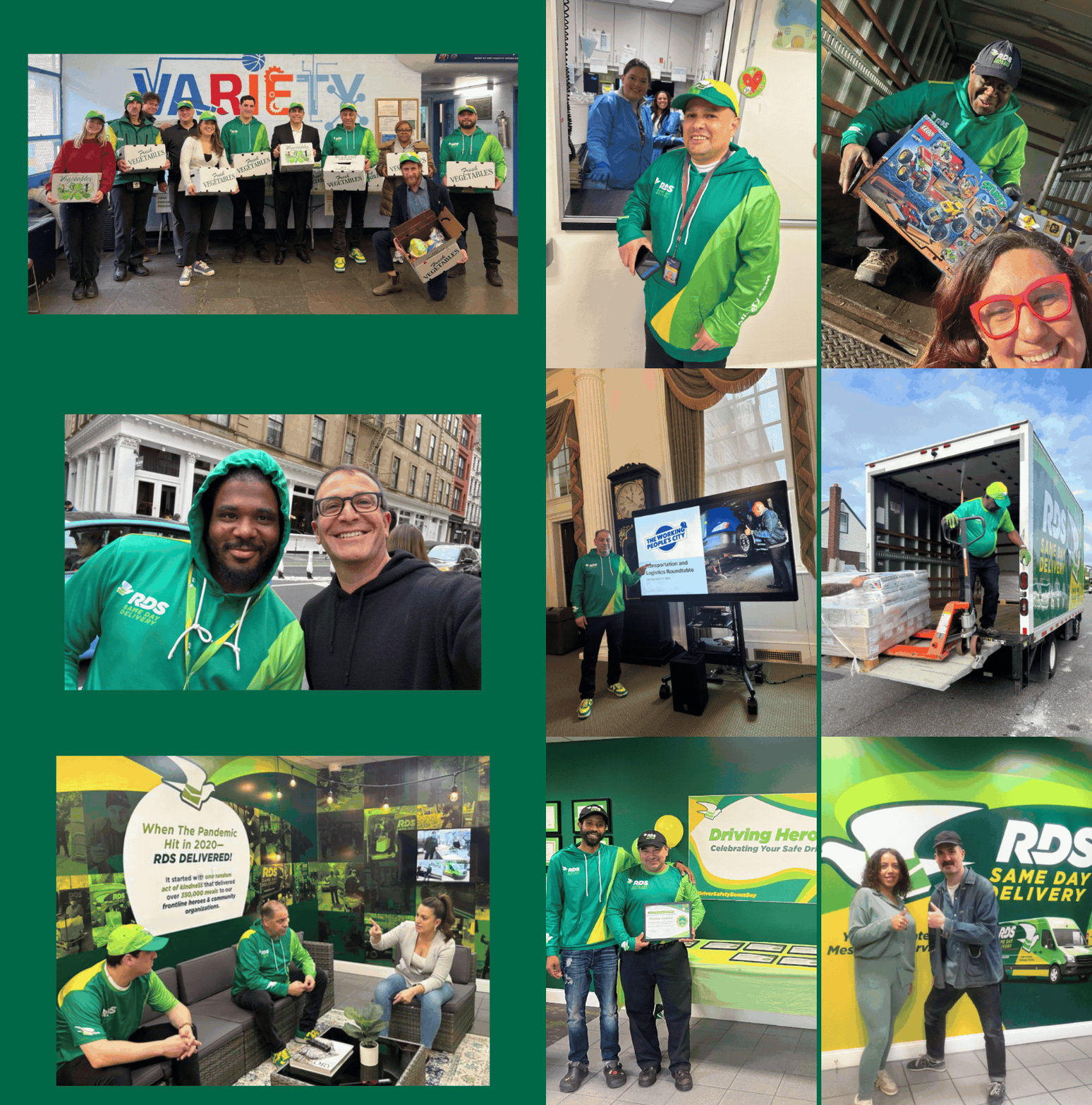
Turning Industry Insight Into Operational Advantage
What this means in practice:
•Greater visibility into operations as conditions evolve
•With a proactive partner, challenges are addressed before they escalate
•Deliveries remain consistent, even as demand shifts
•Representation in the conversations shaping costs, regulations, and operations
•Advocacy that supports the businesses and supply chains you rely on
Because staying involved at the industry level allows us to bring back what matters most: clarity, structure, and stronger day-to-day execution for your team.


